 how-to
How to Verify Supplement Authenticity Before You Buy
Last Updated: October 26, 2026
Quick Summary
To verify supplement authenticity, inspect the packaging and seal, then enter the product's unique verification code on the manufacturer's official website or by SMS. Confirm the lot number and expiry date match the maker's records, and check independent testing or certification for that specific product.
- Run four checks in order and stop the moment something fails.
- A genuine verification code should work once, for you.
- Counterfeiters often reuse a real lot number across thousands of fake bottles.
- Confirm the product, not just the brand, appears in the certifying body's directory.
- A CoA without a lot number is generic marketing, not real evidence.
Table of Contents
- Why Verifying Supplement Authenticity Matters Before You Buy
- A Step-by-Step Workflow to Verify Supplement Authenticity
- How Supplement Lot Number Verification Works
- What Third-Party Tested Supplements Actually Prove
- Reading a Supplement Certificate of Analysis
- Why You Should Buy Supplements From Authorized Retailers
- How to Spot a Counterfeit Supplement and What to Do Next
- Shop Verified Wellness Products at Fresh Earth Wellness
- Frequently Asked Questions
Why Verifying Supplement Authenticity Matters Before You Buy
Most people assume the bottle matches its label. That assumption is risky: counterfeit supplements are a growing problem, and the stakes are your health, not just your money.
Learning how to verify supplement authenticity takes about five minutes per product and works across brands and countries. This guide walks you through the exact checks we would run ourselves, from scratch-off seals to lot numbers to lab certificates.
The demand for proof is real. According to the Council for Responsible Nutrition's 2026 consumer survey, 77% of surveyed Americans said independent verification that products meet quality standards would increase their confidence.
Here is the core problem most guides skip: a fancy seal proves nothing on its own.
A Step-by-Step Workflow to Verify Supplement Authenticity
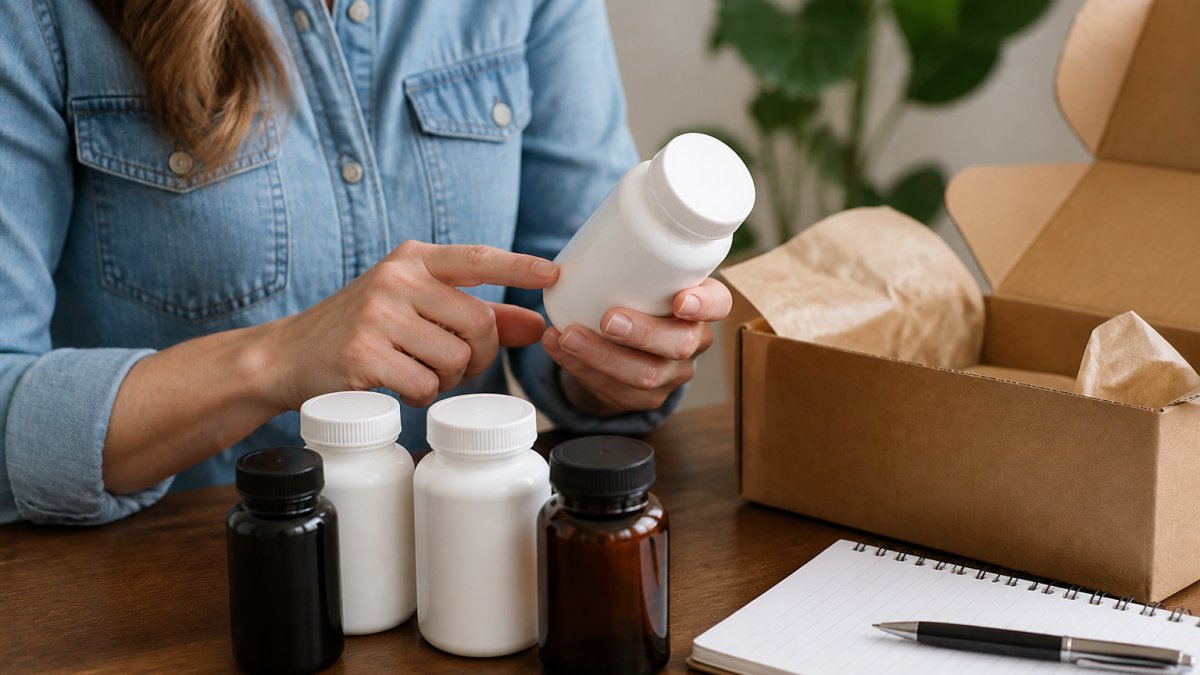
Verification is a sequence, not a single glance. Run these four checks in order, and stop the moment something fails.
- Inspect the packaging, seal, and label for tampering or typos.
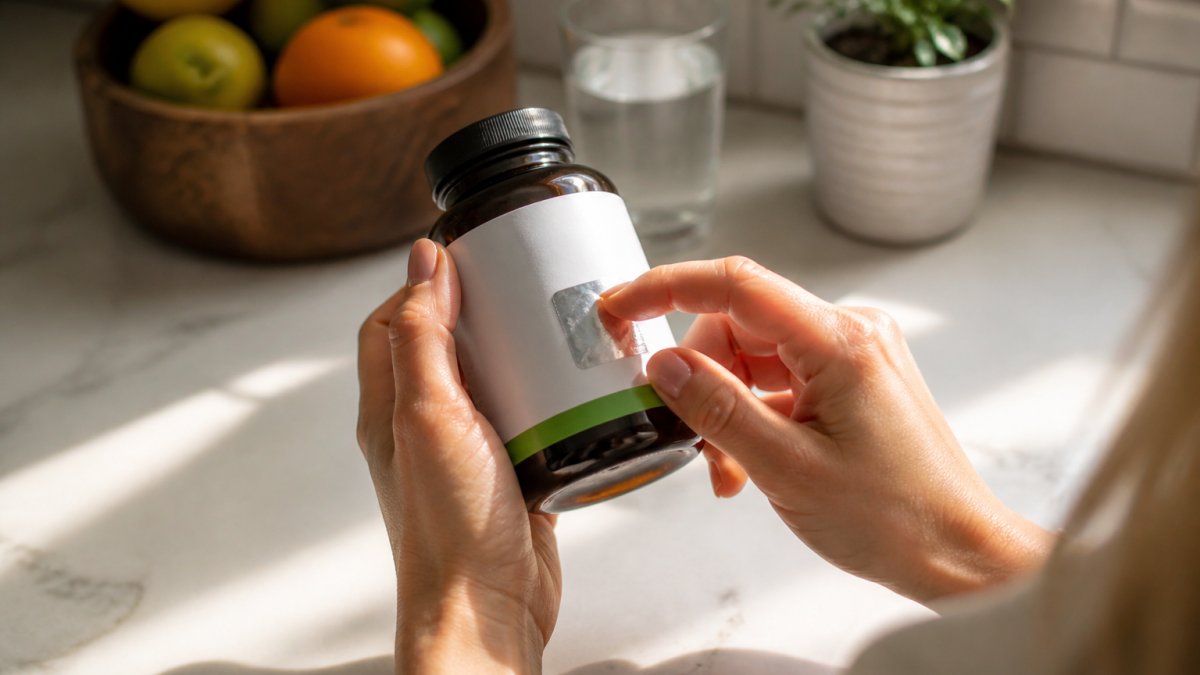
- Find the unique verification code and check it on the official site or by SMS.
- Confirm the lot number and expiry date match the manufacturer's records.
- Look up independent testing or certification for that specific product.
Each step catches a different type of fake. A good counterfeit might copy the label perfectly but fail the code check.
Check the Packaging, Seal, and Label Details
Start with your eyes and hands. Genuine products have clean printing, sharp text, and an intact seal.
Watch for these red flags:
- Misspelled words or blurry print on the label
- A broken or missing tamper-evident seal
- A scratch-off panel that looks pre-scratched or glued back down
The supplement label is a legal document. In most markets it must list the ingredient list, dosage, strength, and manufacturer details. If those are vague or missing, walk away.
Find and Enter the Unique Verification Code
This is the strongest single check you can run. Many brands print a unique code under a scratch-off seal; entering it on the brand's official website confirms whether it is genuine.
Here is how to do it right:
- Scratch gently so you do not destroy the code
- Enter the code exactly, including dashes and capitals
- Check the result page for the product name and batch number
Watch out: If the same code returns "already verified" or "code not found," treat the product as suspicious. A genuine code should work once, for you.
Use the Official Website or SMS Verification Channel
Always verify through the manufacturer's own channel, never a link from a suspicious flyer or unsolicited text.
Two safe routes:
- Official website: Type the brand's address yourself rather than clicking through from a marketplace listing.
- SMS verification: Some brands let you text the code to a short number printed on the pack.
Optimum Nutrition, for example, tells buyers to check the neck band, tub design, date and batch code, and seal, then confirm the authentication sticker's code online, the pattern to expect from a serious brand: multiple checks, all pointing to one official source.
Run these four checks in order, and stop the moment something fails.
| Step | What to do | What it catches |
|---|---|---|
| 1 | Inspect packaging, seal, and label for tampering or typos | Fakes with poor printing or broken seals |
| 2 | Find the unique verification code and check it on the official site or by SMS | Counterfeits that copy labels but fail the code |
| 3 | Confirm the lot number and expiry date match the manufacturer's records | Reused lot numbers and mismatched expiry dates |
| 4 | Look up independent testing or certification for that specific product | Products with no checkable third-party evidence |
How Supplement Lot Number Verification Works
A lot number, also called a batch number, is the manufacturer's internal ID for a specific production run. Supplement lot number verification means matching that code to the maker's records to confirm the batch was produced and when.
Why it matters: counterfeiters often reuse a real lot number across thousands of fake bottles.
Quick checks on the lot number:
- Does it appear in the same font and style as the rest of the label?
- Does the manufacturer list it on their site or verification portal?
- Does the expiry date line up with the production date?
Keep the bottle and your order confirmation. If a problem surfaces later, that lot number is your proof of purchase and your path to a refund.
What Third-Party Tested Supplements Actually Prove
A "third-party tested" claim means an outside lab, not the brand, checked the product. That is meaningful only if you know what was tested and who did the testing; the phrase is not regulated the same way everywhere, so the logo alone tells you little.
Start by separating two different things a certification can verify:
- Product testing: a lab analyzes a batch for identity, potency, purity, and contaminants.
- Facility or manufacturing certification: an auditor confirms the plant follows good manufacturing practices (GMP).
A product can carry a GMP facility certificate and never have been tested for potency, or be lab-tested once and made in a facility nobody audited. Serious programs usually do both, but you have to check.
The main certification programs and what each one covers
NSF Certified for Sport and NSF/ANSI 173. NSF International runs an accredited testing program for dietary supplements.
USP Verified. The U.S. Pharmacopeia runs a verification program combining product testing with a facility audit.
ConsumerLab and similar independent reviewers. Some independent organizations buy products on the open market and publish test results.
Informed Choice and Informed Sport. These programs screen for banned substances and publish certified products.
What certification typically covers, and what it does not
A credible product test usually checks:
- Ingredient identity: does the product contain the ingredients the label claims?
- Potency: is the dose close to the stated strength?
- Purity and contaminants: heavy metals, microbes, residual solvents, and similar risks.
What certification does not cover: whether the product works for you, whether the dose suits your needs, or whether the ingredients interact with your medications. Certification confirms the bottle is honest about its contents, not that it is right for your body.
How to check a certification in practice
- Note the exact certifying organization named on the label.
- Go to that organization's official website by typing the address yourself.
- Search its public product directory for the brand and product name.
- Confirm the product, not just the brand, is listed.
- Check whether the listing covers testing, facility audit, or both.
If the product is not in the directory, the seal proves nothing. If it is listed, you have a real, checkable signal that complements the code and lot-number checks above rather than replacing them.
Reading a Supplement Certificate of Analysis
A supplement certificate of analysis (CoA) is a lab report for a specific batch, listing what was tested and the results. Many reputable brands publish these on request or on their site.
What to look for on a CoA:
- The lot number, matching your bottle
- The testing lab's name and accreditation
- Test methods used, such as HPLC for potency
A CoA without a lot number is generic marketing. A CoA tied to your exact batch is real evidence. Ask for it. Good brands answer without hesitation.
Why You Should Buy Supplements From Authorized Retailers
The single biggest counterfeit risk is the seller, not the product. When you buy supplements from authorized retailers, you cut that risk dramatically.
Authorized sellers get stock directly from the manufacturer or approved distributors. Marketplaces and unfamiliar discount sites often do not. A deal that looks too good usually is.
How to check a seller:
- Look for the brand's own "where to buy" page
- Confirm the retailer is listed as authorized
- Check return policy and contact details
At Fresh Earth Wellness, we source from trusted suppliers and stand behind what we ship.
How to Spot a Counterfeit Supplement and What to Do Next
Some fakes are obvious; others are near-perfect copies. The tells show up in details you would only notice if you looked closely, and the most important moment is what you do after a check fails.
Signs of a counterfeit supplement
Common red flags:
- A price far below every other seller
- Packaging with color, font, or spacing mismatches against the brand's official images
- A verification code that fails, returns "already verified," or repeats across bottles
A single red flag is not proof. Two or more together is a strong reason to stop.
What to do after a failed, duplicated, or suspicious code check
This is where most guides stop, and where you need a plan.
1. Stop using the product immediately. Do not take another dose while you investigate.
2. Document everything before touching the packaging again.
- Photograph the bottle from several angles, including the seal, the code panel, the lot number, and the expiry date.
- Photograph the receipt, order confirmation, and the seller's listing page.
- Screenshot the failed verification result, including the URL and timestamp.
3. Re-run the check through the official channel. Type the manufacturer's website address yourself rather than clicking a link from the seller.
4. Contact the manufacturer directly. Use the contact details on the brand's official website, not the suspicious listing.
**5.
**6.
A note on the limits of packaging checks
Seals, holograms, and codes can be copied, and a code that passes once does not prove the contents are safe or effective. Use packaging checks as one layer, pair them with lot-number and certification checks, and buy from authorized sellers whenever you can. The 2025 review of common supplement questions and misconceptions is a useful starting point for understanding what legitimate products should and should not claim.
Shop Verified Wellness Products at Fresh Earth Wellness
Checking a product takes minutes. Choosing where to buy it saves you the worry entirely.
At Fresh Earth Wellness, we built our store around the checks this guide describes. Every order ships with clear product details, and our team is reachable if you want to confirm sourcing before you buy. Explore Shilajit Capsules with Ashwagandha and Gokshura for a high-potency option. Browse Naururle Shilajit Gummies for a pure Himalayan energy superfood supplement.
Frequently Asked Questions
How can you tell if a supplement is fake?
Check the packaging for a tamper-evident seal, a legible batch or lot number, and an expiry date that matches the label. Look for spelling errors, blurry printing, or a scratch-off code that has already been revealed. Then verify the code on the manufacturer's official website or by SMS. A 2026 CRN survey found that 77% of Americans said independent quality verification would increase their confidence, so also look for certification marks from recognized third-party programs. If any detail fails to match, treat the product as suspicious and contact the seller before using it.
Can you verify a supplement using its lot or batch number?
Yes. Supplement lot number verification lets you confirm that a specific batch was produced by the manufacturer and, in many cases, check its expiry date and testing records. Find the lot or batch code printed on the bottle, often near the expiry date or on the base. Enter it on the brand's official authentication page or share it with customer service. A matching lot number confirms traceability, but it does not by itself prove ingredient quality. Pair it with a certificate of analysis or a third-party certification mark for a fuller picture.
Does a certificate of analysis prove a supplement is authentic?
A supplement certificate of analysis shows that a batch was tested for identity, potency, purity, and contaminants, but it proves only what it covers. Ask whether the testing lab is independent and accredited, and whether the certificate matches your bottle's lot number. Harvard Health Publishing has warned that most seals of approval are meaningless, so a certificate from an unknown lab carries little weight. Request the document from the seller and compare the batch details against your label before relying on it.
What should you do if you think a supplement is counterfeit?
Stop taking the product and keep the packaging, receipt, and any verification results. Report the failed or duplicated code to the manufacturer through its official website or customer service line. Contact the retailer for a refund and ask how the product entered its supply chain. If the seller is unresponsive, report the issue to your local consumer protection or health authority. Buying from authorized retailers in the first place reduces this risk, and a brand that responds quickly to a verification concern is usually a safer long-term source for third-party tested supplements.
The real test of any supplement is trust, and trust should be earned, not assumed. Fresh Earth Wellness makes that easy with a fast, user-friendly shopping experience, responsive customer support, and a curated range of wellness products we stand behind. Get started with Fresh Earth Wellness and shop with the confidence that comes from knowing exactly what you are buying.