
 How-to
7 Ways to Choose Electrolyte Powder Without Artificial Sweeteners
Last Updated: November 18, 2026
Quick Summary
To choose an electrolyte powder without artificial sweeteners, read the ingredient panel and look for sucralose, acesulfame potassium, aspartame, saccharin, neotame, or advantame. A truly sweetener-free electrolyte powder lists only mineral salts, perhaps citric acid or natural flavor, and no sugar alcohols or stevia.
- Ingredient lists are arranged so the largest ingredients appear first, which tells you more than front-label claims.
- Sugar alcohols like erythritol, maltitol, xylitol, sorbitol, isomalt, and lactitol are not artificial but still add sweetness.
- Check steviol glycosides or reb A on the panel if you also want to avoid stevia.
- Compare products on sodium, potassium, magnesium, sweetener status, additives, serving size, and cost per serving.
- Unsweetened powder tastes salty, so mix it into more water than the label suggests and start with half a packet.
Table of Contents
- Read the Ingredient List First: A Practical Method for Spotting Artificial Sweeteners
- Electrolyte Powder Without Artificial Sweetener or Stevia: What to Look For
- Best Electrolytes Without Sugar or Artificial Sweeteners: Compare Sodium, Potassium, and Magnesium
- Best Electrolyte Powder for Everyday Use: Match the Serving to Your Day
- Cleanest Electrolyte Powder: How to Judge Purity Beyond the Marketing Claims
- Taste and Mixability: Getting Unsweetened Powder Right
- Shop Fresh Earth Wellness for Your Clean Electrolyte Powder
- Frequently Asked Questions
Read the Ingredient List First: A Practical Method for Spotting Artificial Sweeteners
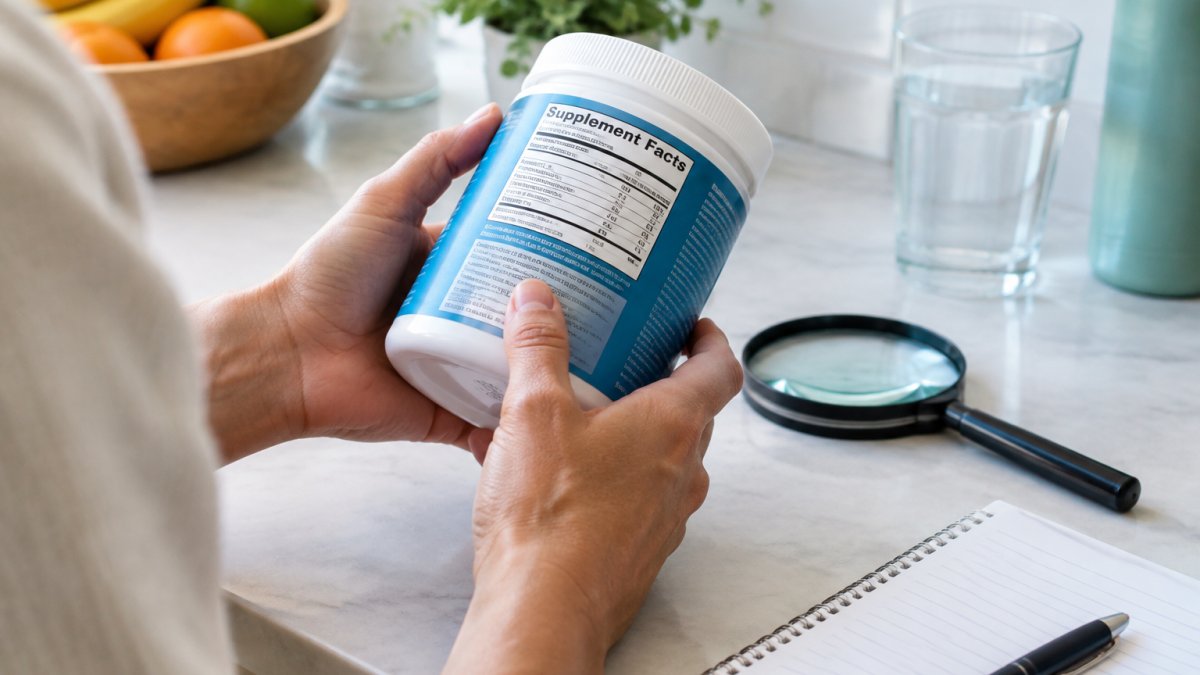
Learning how to choose electrolyte powder without artificial sweeteners starts with one habit: turning the tub around before you read the front label. At Fresh Earth Wellness, we tell every shopper the same thing. The front of the package is marketing. The ingredient panel is the truth, and it takes about thirty seconds to read once you know what you are looking for.
Ingredient lists on packaged foods are generally arranged so the largest ingredients appear first. That single rule tells you more than any claim on the front.
The Names Artificial Sweeteners Hide Behind
Artificial sweeteners rarely appear under their brand names. Instead, look for these terms on the panel:
- Sucralose (often sold under a brand name)
- Acesulfame potassium, sometimes written as acesulfame K or Ace-K
- Aspartame
- Saccharin
- Neotame
- Advantame
A common mistake is scanning only for the word "sugar." A drink mix can say "zero sugar" on the front and still contain two or three of the sweeteners above.
How to Tell Artificial Sweeteners from Sugar Alcohols and Natural Sweeteners
Not everything that tastes sweet is artificial. The ingredient panel does not always make the distinction obvious, so use this checklist to sort them:
- Artificial sweeteners: sucralose, acesulfame potassium (Ace-K), aspartame, saccharin, neotame, advantame. These are synthetic or semi-synthetic sweeteners.
- Sugar alcohols: erythritol, maltitol, xylitol, sorbitol, isomalt, lactitol. These are often manufactured and add bulk and mild sweetness.
- Natural non-caloric sweeteners: stevia (steviol glycosides, reb A), monk fruit extract (mogroside V). These are plant-derived sweeteners.
- Caloric sweeteners: cane sugar, dextrose, glucose, fructose, honey, maple syrup. These add calories and are not artificial, but they are still sweeteners.
An unsweetened electrolyte powder will contain none of the above sweeteners.
How to Confirm a Powder Is Truly Sweetener-Free
Check the full ingredient list, not the nutrition panel alone. A genuinely plain powder lists minerals and little else: sodium, potassium, magnesium, chloride, and perhaps citric acid or natural flavor. If every ingredient is a mineral or a simple acid, nothing on the panel is there to sweeten it. When the list is short and readable, you have your answer.
A label that lists "natural flavors" without specifying the source is not automatically a problem, but if that same product also lists a sugar alcohol or stevia, the "natural flavor" may be adding sweetness. When in doubt, ask the manufacturer for a breakdown of the flavor source.
Electrolyte Powder Without Artificial Sweetener or Stevia: What to Look For
An electrolyte powder without artificial sweetener or stevia should list only mineral salts, a carrier, and at most a natural flavor. Stevia is plant-derived, but it still adds a sweet taste many people dislike, so check for steviol glycosides or "reb A" if you want to avoid it too.
Here is what a clean panel looks like:
- Sodium from salt
- Potassium from potassium citrate or chloride
- Magnesium from magnesium citrate or glycinate
- Chloride, naturally present in salt
- Citric acid for tartness, if any acid is used
If you want a zero-sugar option with disclosed ingredients, our Calm & Sleep adaptogenic drink mix shows how a short, readable panel looks in practice.
Best Electrolytes Without Sugar or Artificial Sweeteners: Compare Sodium, Potassium, and Magnesium
The best electrolytes without sugar or artificial sweeteners are the ones whose mineral amounts suit your needs, not the ones with the longest ingredient list. Sodium, potassium, and magnesium do different jobs, and the ratios matter more than the total count.
| Mineral | What It Does | What to Check on the Label |
|---|---|---|
| Sodium | Replaces the main mineral lost in sweat | Milligrams per serving, and the salt source |
| Potassium | Supports fluid balance and muscle function | Whether it is citrate or chloride |
| Magnesium | Supports muscle and nerve function | The form, since some are gentler than others |
| Chloride | Pairs with sodium in salt | Usually listed alongside sodium |
A mineral-rich salt is a useful benchmark. Our Himalayan white salt with natural trace minerals lists its potassium, magnesium, and iron content openly, which is exactly the transparency to expect from a clean electrolyte product.
Matching Sodium and Potassium to Your Use Case
Watch out: if you have a medical condition or take medications that affect potassium or sodium balance, speak to your clinician before adjusting electrolyte intake.
How to Compare Products Without Getting Lost in the Numbers
When you compare two electrolyte powders, line up the following on a consistent basis:
- Sodium per serving (in milligrams)
- Potassium per serving (and its form)
- Magnesium per serving (and its form)
- Sweetener status (artificial, natural, sugar alcohol, or none)
- Additives (dyes, artificial flavors, anti-caking agents)
- Serving size (stick pack vs. scoop)
- Cost per serving
A product that looks cheap per tub may cost more per serving if the scoop size is large. Conversely, a single-serve stick pack makes it easy to control exactly how much you use. Our zero sugar electrolyte powder sticks in lemon lime list sodium and potassium per packet, so you can compare them directly against your needs without doing math on a bulk tub.
Best Electrolyte Powder for Everyday Use: Match the Serving to Your Day
For everyday use, a single stick pack mixed into a normal glass of water is usually enough. You do not need a heavy workout formula on a desk day, and you do not need a light sipping mix after two hours in the heat. Match the serving to the demand.
- Desk day: one stick in the morning, plain water the rest of the day
- Hot weather or manual work: one stick per large bottle, sipped through the day
- Long exercise sessions: a serving before and one after
Our zero sugar electrolyte powder sticks in lemon lime come in single-serve packets, which makes this kind of portioning simple. One packet, one glass, no scooping or guessing.
Cleanest Electrolyte Powder: How to Judge Purity Beyond the Marketing Claims
The cleanest electrolyte powder is the one with the fewest unnecessary ingredients and full disclosure of what remains. "Clean" is not a regulated term, so judge it by three things: a short ingredient list, no artificial dyes or flavors, and mineral amounts stated per serving rather than per tub.
Watch out: a label that lists "natural flavors" without saying what they are is not automatically a problem, but a product that hides behind that phrase while also listing three sweeteners is worth putting back on the shelf.
For a purity benchmark, our ceremonial grade organic matcha is a good example of a single-ingredient powder with nothing added. That is the standard to hold an electrolyte mix to.
Taste and Mixability: Getting Unsweetened Powder Right
Unsweetened powder tastes salty. The fix is simple: mix it into more water than the label suggests, start with half a packet, and stir or shake until the powder fully dissolves. A pinch of real fruit or a squeeze of lemon adds flavor without adding a sweetener.
Mixability depends on the mineral forms. If a powder clumps, the water is usually too cold or the ratio is too strong. Room-temperature water first, then ice.
Shop Fresh Earth Wellness for Your Clean Electrolyte Powder
Finding a genuinely clean electrolyte powder comes down to reading the panel, checking the minerals, and matching the serving to your day. Fresh Earth Wellness stocks a focused range of wellness products with clear ingredient lists, so you can compare without guesswork. Our electrolyte powder range is a good place to start, and our support team is reachable if you want help reading a label before you buy.
The hardest part of buying electrolyte powder is trusting what is on the label. Fresh Earth Wellness takes that worry out of the process with a carefully chosen product range, fast and user-friendly online shopping, and real customer support when you have a question about an ingredient. Get started with Fresh Earth Wellness and find a clean electrolyte powder that fits your routine.
Frequently Asked Questions
What is the best electrolyte powder without artificial sweeteners?
An electrolyte powder without artificial sweeteners is one that lists only mineral salts (sodium, potassium, magnesium, chloride) and, if flavored, uses real fruit or natural flavor. Check the ingredient list for sucralose, acesulfame potassium, aspartame, or saccharin. Unsweetened and unflavored options are the simplest way to avoid sweeteners entirely.
How can I tell whether an electrolyte powder contains artificial sweeteners?
Read the ingredient list rather than the front label. Artificial sweeteners appear as sucralose, acesulfame potassium (Ace-K), aspartame, saccharin, or advantame. Some labels group them under 'artificial sweeteners' or 'non-nutritive sweeteners.' Stevia and monk fruit are natural alternative sweeteners, not artificial, but they are still sweeteners. If the label says 'unsweetened' or 'unflavored' and the ingredient list shows only mineral salts, you have a sweetener-free product.
Are stevia and monk fruit artificial sweeteners?
No. Stevia and monk fruit are plant-derived alternative sweeteners, not artificial ones. However, if your goal is a powder with no sweetener at all, both still count as sweeteners and will appear on the ingredient list. Look for products labeled unsweetened or unflavored, and check that the ingredient list contains only electrolyte minerals and perhaps natural flavor or real fruit powder.
Is an electrolyte powder without artificial sweeteners suitable for everyday use?
Daily use depends on your individual needs. For guidance on sodium and potassium intake, check with your doctor. An unflavored, unsweetened powder is the easiest to incorporate into a daily routine without extra sweeteners or dyes.